


We often talk about strategy, structure, and targets. Yet in global companies, another force moves just as fast. Mood. A tense call in one country can shape a meeting in another. A calm leader can steady a whole region. This is emotional contagion, and if we do not map it, we usually feel its effects only after trust drops, conflict rises, or decisions turn reactive.
Emotional contagion is the spread of feelings, tone, and mental states from one person or group to another.
We have seen this happen in quiet ways. A regional director enters a weekly call rushed and defensive. Nobody names it. Still, voices tighten. People shorten answers. Bad news stays hidden. By the next week, the same tone appears in another unit that only heard a filtered summary. Nothing visible happened. But the emotional field changed.
This is not guesswork. Experimental evidence on social networks showed that emotional expression can influence other people’s emotional expression even without face-to-face contact. Another study on emotional spillover across online connections found that emotional states can spread across locations through digital interaction. For global business units, this matters a lot, because much of the day is lived through screens, messages, dashboards, and calls.
What we should map
Many teams make the mistake of trying to map emotion as if it were a fixed score. It is not. We think it is better to map patterns. We want to know where emotion starts, how it travels, where it intensifies, and what business moments trigger it.
A useful map usually tracks four layers:
- Emotional tone inside each unit
- Emotional transmission between units
- Trigger events, such as reorganizations or missed targets
- Leadership behaviors that calm or amplify reactions
The goal is not to judge feelings, but to see their movement across systems.
That shift changes everything. Instead of asking, “Which office has a morale problem?” we ask, “What sequence of interactions is spreading strain or steadiness?” That question is much more honest. It also leads to better action.
Start with emotional signals
We begin with signals that can be observed without invading privacy. Emotional contagion leaves traces in language, timing, rhythm, and relationship patterns. We do not need to read minds. We need to watch repeated signals over time.
Some signals are easy to spot:
- Sharp changes in meeting tone after contact with a certain unit
- Longer response times during periods of tension
- More defensive wording in emails or chat
- Sudden silence from teams that were usually open
- Rising escalation of small issues into large ones
We also like to collect short pulse checks. Not long surveys. Just a few questions asked often, with room for one-line comments. People will usually tell us more when the format feels light and safe.
Emotion travels faster than policy.
Build a cross-unit contagion map
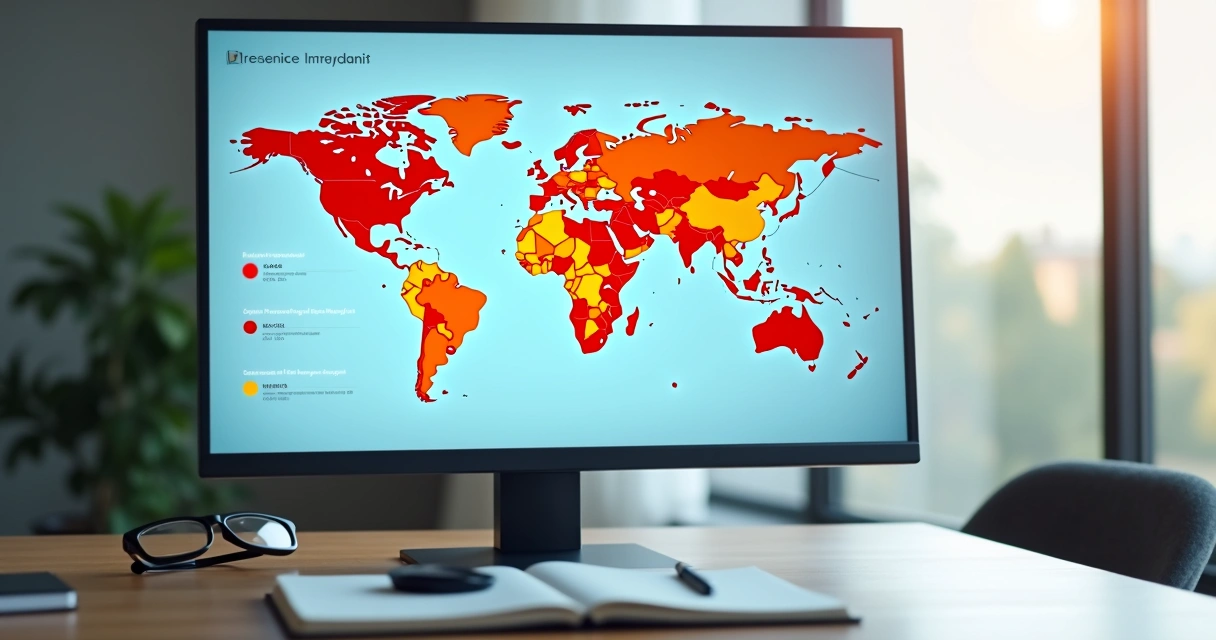
Once we have signals, we can build a simple contagion map. This is not a complex academic model at first. We start with a visual of who influences whom, and under what conditions.
We suggest a five-step sequence:
- List all business units and their main contact points.
- Mark recurring interactions such as weekly calls, approvals, handoffs, and crisis escalations.
- Add emotional data from pulse checks, interviews, and communication patterns.
- Identify likely transmission routes, especially where one team’s mood shifts before another’s.
- Review trigger events over the same timeline.
In our experience, a timeline view helps a lot. If anxiety rises in one region on Monday and appears in two connected units by Thursday, we can start testing whether the spread followed leadership calls, reporting pressure, or client loss news. The map does not prove causation by itself. But it shows where to look with care.
This kind of mapping also fits what research on dynamic emotional contagion in online communities found, which is that emotional expressions can spread among connected members and shape later behavior. In business, connected members are not just customers or followers. They are managers, analysts, HR partners, and local teams in daily contact.
Look for emotional hubs
Not every unit spreads mood in the same way. Some teams act like hubs. They may not have the highest rank, but they sit at busy intersections of communication. Shared services, regional leadership, finance controls, and global project teams often become emotional multipliers.
We ask three practical questions:
- Which unit speaks to the most other units each week?
- Which leaders set the tone for decision speed and conflict style?
- Which teams receive stress first and pass it forward?
Emotional hubs are the places where one tone can become many tones very quickly.
A short example makes this real. We once saw a support function under heavy deadline pressure. Its leaders became abrupt, though not intentionally harsh. Within two weeks, country managers began describing “resistance” from local staff. The issue was framed as poor attitude. But when we traced the pattern, the strain had started in a central hub and spread through repeated rushed interactions. Once that hub changed its meeting style and reset response norms, the wider tone softened.

Combine data with human listening
Numbers help, but they do not tell the whole story. We need interviews, listening circles, or guided reflections with managers across units. Not many. Just enough to test what the patterns mean. A drop in positive language might reflect fear, fatigue, or simple confusion. The map gets sharper when people can name what they are carrying.
Beliefs matter here too. A recent working paper on contagious beliefs in business cycles suggests that contagious beliefs can shape wider economic outcomes. Inside companies, shared beliefs such as “leadership does not listen” or “bad news gets punished” can travel like emotion itself. We should map both together.
Set boundaries for ethical mapping
We should say this clearly. Mapping emotional contagion must respect people. It is not a tool for surveillance or control. It should never target private vulnerability. It should help leaders build healthier conditions for work.
Good boundaries include:
- Use group patterns more than individual tracking
- Be open about what is being measured and why
- Protect anonymity in pulse data
- Focus action on culture, not blame
When people trust the process, they speak more honestly. That alone improves the map.
Conclusion
When we map emotional contagion across global business units, we begin to see that culture is not local only. It is transmitted. A mood in one place can shape judgment far away. A grounded leader can calm a chain of interactions. A fearful system can spread caution until nobody takes wise risks.
Mapping emotional contagion helps us see the hidden path between inner states and business outcomes.
If we track signals, identify hubs, connect timelines, and listen with care, we can respond earlier and lead with more clarity. That does not make work emotion-free. It makes it more conscious. And that changes the quality of decisions, relationships, and long-term results.
Frequently asked questions
What is emotional contagion in business units?
Emotional contagion in business units is the spread of mood, stress, confidence, or fear from one team to another through meetings, messages, leadership behavior, and shared events. It can happen within one office or across countries through digital contact.
How to map emotional contagion effectively?
We map it effectively by tracking emotional signals over time, linking them to communication flows, and comparing shifts across connected units. Short pulse surveys, meeting observations, message pattern reviews, and manager interviews give a clear starting point.
Why is mapping emotions across units important?
It matters because unseen emotional spread can affect trust, conflict, decision quality, retention, and collaboration across regions. When we can see where strain or calm begins and how it moves, leaders can respond before problems become structural.
What tools help track emotional contagion?
Useful tools include pulse survey platforms, network mapping tools, collaboration analytics, sentiment reviews of team communication, interview notes, and timeline dashboards that connect events with changes in team tone. The best setup is usually simple and repeated often.
Can mapping emotions improve team performance?
Yes. When leaders identify emotional pressure points early, they can reduce friction, improve communication, and create steadier working conditions. Better emotional awareness often leads to clearer decisions, stronger cooperation, and more stable team performance over time.